
Casibom Games, Slots and Former Live Casino Range
 Available in GB
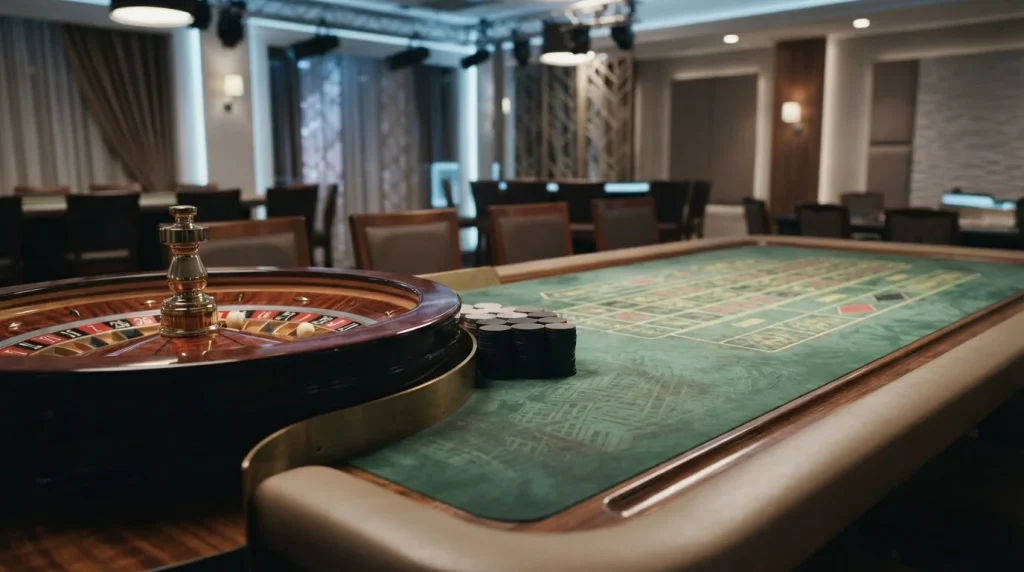
Casibom’s former casino combined slots, table games, live-dealer studios and several shorter-format gambling categories. Its archived catalogue was broad in both genre and supplier coverage, with a historical listing naming 64 game providers. The original Casibom service was subsequently reported to have closed in 2026, so these are descriptions of a past lobby rather than games available to play today.
The most useful way to understand that lobby is to separate the game families from the software companies supplying them. Slots and live blackjack, for example, are different formats; a supplier name tells you who made a game, not the payout terms or rules of every title under that name. Casibom also paired its casino product with a sportsbook, although the focus here is its former casino range.
Table of Contents
- The former lobby combined slots, tables and short-form games
- Sixty-four suppliers shaped the historic Casibom selection
- Return to player and volatility change the meaning of a game list
- Live roulette, blackjack and baccarat added studio play
- Questions about Casibom's former games
- Supplier breadth made the old lobby diverse
The former lobby combined slots, tables and short-form games
Slots formed one part of Casibom’s earlier catalogue, alongside roulette, blackjack, baccarat, video poker, bingo and jackpots. A separate set of shorter-format options included keno, crash games, scratch cards and dice or craps. Poker and live shows also appeared in the historic category list. These groups describe different ways a gambling session can unfold, from repeated standalone spins to dealer-controlled table rounds.
The boundaries between categories affect the information a player needs. A slot is normally described through its reels, paytable, special features and return-to-player figure. Roulette calls for an understanding of the wheel and bet types. Blackjack decisions depend on the rules of the particular table, including how the dealer acts and what card options are permitted. Baccarat operates around the banker, player and tie outcomes, with rules and prices that differ by bet. The game-family name alone never supplies the full set of terms.
Casibom’s earlier catalogue covered both conventional casino formats and games designed for quicker resolution. Crash games centre on a moving multiplier and a stopping or cash-out mechanic, while keno and bingo use a draw-based structure. Scratch cards package the result in a reveal format. Jackpots are a prize feature or category, and their value depends on the game and its specific funding rules. These distinctions explain why a broad lobby can lead to quite different types of exposure within a single session.
- Reel games and jackpots: slot-machine formats with their own paytables and feature rules.
- Table games: roulette, blackjack, baccarat, poker and dice or craps, where rules and wager types vary.
- Draw and reveal games: bingo, keno and scratch cards with round-based outcomes.
- Short-format titles: crash games and related quick rounds, where the timing of a decision changes the experience.
- Dealer-led formats: live tables and studio game shows, where a streamed presenter or dealer forms part of the session.
A title’s category also changes the pace of betting. Short rounds can accumulate wagering volume quickly, while a live table may involve longer pauses between decisions. Neither pace determines a session’s eventual outcome. Gambling results are variable, and a familiar game type can still produce substantial losses. The mix of categories tells you about product breadth, not a reliable path to a particular result.
That range sat alongside a former card, bank transfer and cryptocurrency payment mix. Payment method and game type are separate parts of the experience: one concerns movement of funds, the other concerns the conditions of individual wagers.
Sixty-four suppliers shaped the historic Casibom selection
Casibom’s historical casino profile listed 64 software providers. That figure counts suppliers, rather than the number of games, rounds or playable slot titles. A single provider may distribute multiple categories and many separate titles. It would therefore be misleading to treat the supplier total as the size of the playable games library.
The named historical supplier set included Pragmatic Play, Evolution Gaming, NetEnt, Play’n GO, Nolimit City, Hacksaw Gaming, Yggdrasil, Quickspin, Ezugi, BGaming, Spribe and Amusnet. Some of those names are associated with reel-based games, others with live-dealer tables or specialised digital formats. Their presence in an older catalogue identifies a supplier relationship in that historical listing, not every game that may have been offered by each company.
Software providers also work with different layers of a casino’s presentation. A developer creates game logic, artwork and rules; a live studio runs a dealer environment; an operator presents a collection of those titles in its own lobby. Even when two casinos display a supplier with the same name, the individual title selection, versions and permitted game modes can differ. That is why a supplier list is most useful as a map of the product mix, rather than a substitute for a title-by-title catalogue.
Within the former Casibom developer list, the label “Casino’s Own Original Games” appeared as a category. That wording refers to a listing label and is distinct from a named game with its own rule set. The broad label carries less detail than a specific title, whose rules, odds and any result-verification mechanism would have to be understood individually.
There is a second distinction inside a supplier count: breadth across companies is different from diversity across experiences. A casino could show several suppliers that chiefly produce slots while drawing its live tables from a smaller group of studios. Casibom’s record contained suppliers and categories spanning both, so the more meaningful picture is the combination of game families and named studios. The figure of 64 gives useful scale to that historical picture without assigning an invented title count.
The names also establish how the former casino combined established table formats with newer digital products. Live roulette or baccarat follow recognisable rules, whereas crash games and game shows can have unfamiliar mechanics, event timing and settlement conditions. A reader comparing them should begin with the game rules and outcome structure, not with a software logo or a broad provider total.
Return to player and volatility change the meaning of a game list
A games catalogue identifies formats; its individual rules determine what the wager buys. Return to player, usually shortened to RTP, is a theoretical long-run proportion of total stakes returned across a very large set of plays under a defined game configuration. It is an average over repeated outcomes, not a balance target for one person or a promise that a given session will return a fixed share of the money staked.
House edge expresses the complementary theoretical share retained by the game in the long run, where that relationship applies. Actual outcomes can be far above or below an average. A losing run can happen even in a game with a relatively high theoretical return. Different versions of games can also use different paytables, rules and edge calculations. A supplier’s general reputation cannot replace the terms attached to a specific game.
Volatility describes how outcomes tend to be distributed. A game with infrequent large wins can feel very different from one with smaller, more common returns, even when their theoretical averages are similar. This helps explain why a short session tells a player very little about the expected long-term performance of the underlying game. Stake size and pace matter as well: frequent rounds can create substantial cumulative betting volume without requiring a large opening balance.
To interpret a listing for any game in a casino catalogue, a practical sequence is:
- Identify the precise title and version. Different releases from the same supplier may have different maths or bonus features.
- Read the paytable and core rules. For tables, examine the particular variant and the wagers that are actually offered.
- Understand the long-run return measure. RTP or house edge is a statistical, not a session forecast.
- Check how rounds and wagers accumulate. A rapid pace changes total stake exposure even when the individual wager looks small.
- Separate game rules from account terms. Balance checks, payment conditions and customer rights belong to different parts of a casino relationship.
The last point matters when reading a retrospective product profile. A historical provider name describes the software side of the casino, while account and payment records concern the operator-side relationship. The separate Casibom licence history deals with its GB legal context; game categories on their own cannot answer that question.
These distinctions are especially relevant to slots and crash formats, whose quick rounds can make the relationship between a small stake and cumulative betting volume hard to notice. The mathematics of a game does not become safer because its interface is quick, visually simple or familiar. Setting a firm personal spending limit and taking breaks are more meaningful controls over exposure than interpreting a theoretical return as a near-term outcome.
Live roulette, blackjack and baccarat added studio play
Casibom’s old live-casino categories included live roulette, live blackjack, live baccarat, live poker and live game shows. The defining feature of a live-dealer product is the studio presentation: the round takes place with a streamed dealer or presenter, while the user interacts through the casino interface. This creates a different rhythm from a purely digital slot or automated roulette game.
In live roulette, the dealer runs a physical wheel and a betting window separates the placing of stakes from the spin. Live blackjack centres on dealing and player decisions at a table, where the version’s rules set out the available actions. Baccarat is driven by the player and banker hands and a defined drawing procedure. Live poker is a broader label that can encompass different studio products; the exact rules of a listed table matter more than the category heading.
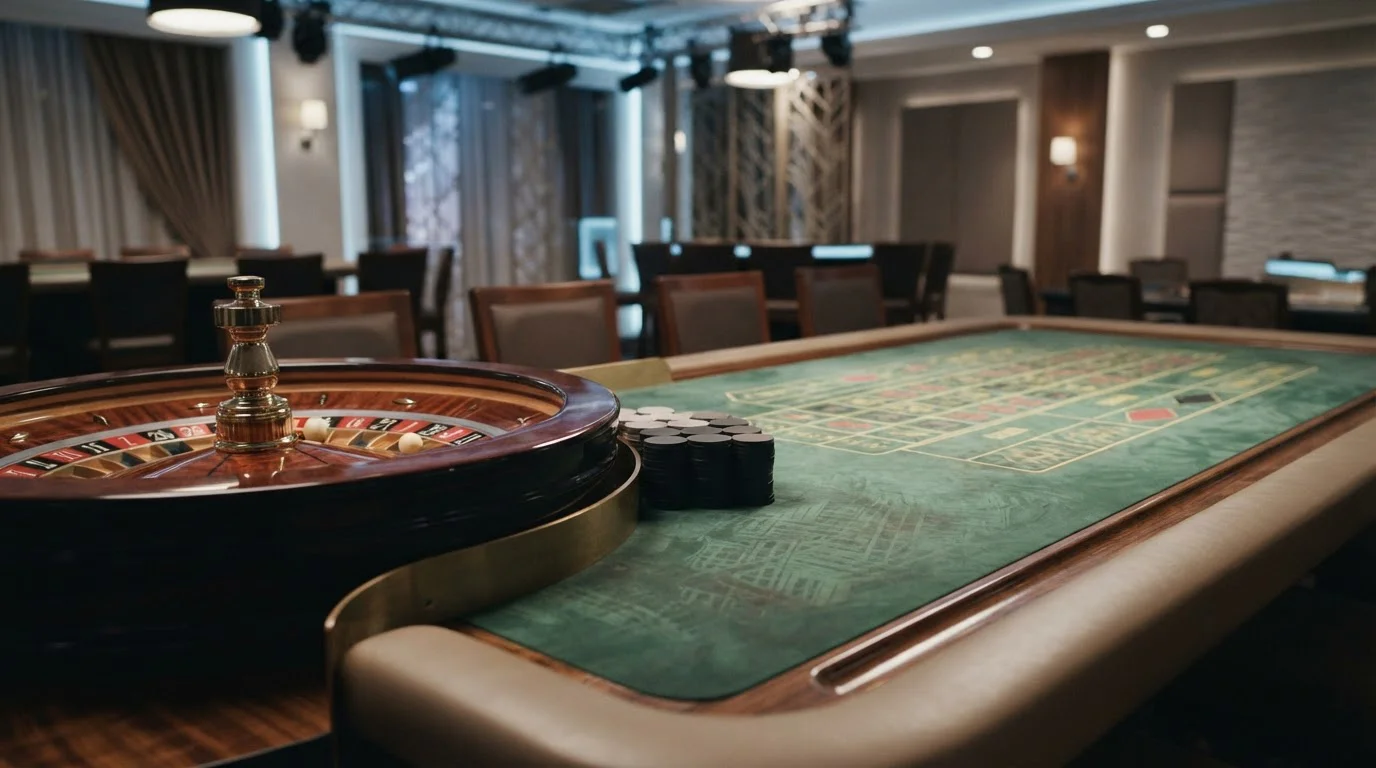
Studio game shows add a presenter-led layer to familiar chance-based outcomes. A wheel, draw, reveal or other spectacle can occupy more of the screen than the underlying bet terms. The display is part of the entertainment design, while the payout conditions remain a separate question. The presence of live shows in Casibom’s historic range is evidence of category breadth; it is not a description of any particular bonus feature or jackpot amount.
| Historical game family | How the format works | Reading the game terms |
|---|---|---|
| Slots | Digital reel or symbol rounds | Paytable, features and theoretical return relate to the specific title. |
| Digital roulette | Software-led roulette round | Wheel variant and available bet types determine the wager structure. |
| Live roulette | Studio wheel run by a dealer | Betting window, wheel variant and settlement rules matter. |
| Live blackjack | Dealer-led card table | Table variant and player-action rules shape decisions. |
| Live baccarat | Studio player/banker card hands | Hand outcomes and bet pricing need to be read together. |
| Live poker | Dealer-led poker format | The specific variant defines the hand structure and wager types. |
| Live game shows | Presenter-led chance rounds | Presentation format and settlement rules are distinct. |
| Crash games | Round built around a changing multiplier | Stopping mechanics and outcome rules define exposure. |
| Bingo and keno | Draw-based outcomes | Selection rules, stake structure and prize tables vary by game. |
The table brings together categories from Casibom’s historical profile with general descriptions of how those game families operate. It is useful for interpreting what the old lobby offered without treating each row as a guarantee about a particular title’s rules. Live and digital versions of the same table game can share a basic premise while differing in pace, presentation and optional wagers.
The live section also illustrates why game-format variety and the size of a supplier list should be viewed together. Software breadth creates the potential for many different experiences, but each wager still depends on the individual product. As Casibom’s original service has ended, its live-dealer range now belongs to the history of that casino’s offering.
Questions about Casibom’s former games
How many game providers did Casibom have?
The historical Casibom casino profile listed 64 game suppliers. This was a provider count, not the number of playable game titles.
Which slots suppliers appeared in the former catalogue?
The historical supplier list included Pragmatic Play, NetEnt, Play’n GO, Nolimit City, Hacksaw Gaming, Yggdrasil and Quickspin.
Did Casibom have live-dealer casino games?
Yes. Its former catalogue included live roulette, blackjack, baccarat, poker and live game shows.
What other types of games were listed?
The past range included slots, video poker, bingo, keno, jackpots, scratch cards, crash games and dice or craps alongside table games.
What does the 64-provider figure describe?
It describes the number of suppliers named in the historical casino listing. A supplier can make many titles, so it is separate from a game-title count.
Supplier breadth made the old lobby diverse
Casibom’s former catalogue drew on 64 suppliers and covered both conventional casino formats and newer short-form games. That combination supported a varied lobby: slots, table games, live studios, draw-based titles and game shows sat under one casino brand. The strongest description of its range comes from recognising those different categories, the named suppliers and the distinction between a supplier count and individual game titles.
The original casino’s closure leaves the catalogue as a historical product record. The names and categories explain what Casibom used to offer, while the practical meaning of any gambling game still comes from its own rules, long-run maths and the financial exposure created by each stake.